Minimalist Home Decor Ideas – Fabaylife
It is becoming increasingly important to take a break from the speed, information overload and ever-increasing chaos of today’s world and enjoy simplicity and peace in our living spaces. At this point, minimalist home decoration is a philosophy of life that offers much more than just blank walls and few objects. Based on the principle of “Less is more”, this powerful approach combines functionality and aesthetics in their purest form, eliminating all unnecessary visual and physical noise. The aim is not to have less stuff, but to create breathing spaces where each piece has more meaning and value.
In this article, we have brought together the most effective home decoration ideas and tips for those who want to transform their home into a more spacious, organized and calm living space. Let’s discover the secrets of minimalist home organization and explore how you can create more meaning and peace in your living spaces, both mentally and physically.
Decorating Tips for the Minimalist Style
Minimalism is the art of designing meaningful and balanced spaces where each item, color and texture serves a purpose rather than creating space. A few basic principles to consider when applying this style to your home will make it easier to achieve the elegant and calm look you want.
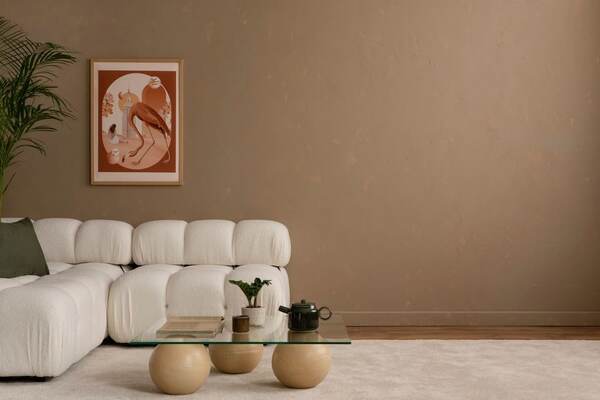
- The Power of the Color Palette: Neutral colors form the basis of minimalist decoration. White, beige, greige (gray-beige) and light gray tones make the space look brighter, larger and more spacious. When creating this calm palette, you can be inspired by the “60-30-10” rule: 60% of the space can be the main neutral color (walls), 30% can be a secondary neutral tone (large furniture, carpets) and 10% can be an accent color (such as black, anthracite or wood tones). This balanced approach creates a calm unity without being boring.
- Prioritizing Quality and Form: Minimalism encourages investing in a small number of quality and timeless pieces. Instead of dozens of objects that will quickly go out of fashion, choose a few well-designed pieces of furniture made of quality materials such as solid wood and stainless steel that you will love to use for many years. When choosing furniture, focus on clean and clear geometric forms, free of ornamentation. Remember, each piece should stand on its own as a sculptural object.
- Strategic Use of Light: Natural light is the most important decoration element of minimalist spaces. Instead of heavy and patterned curtains, leave your windows as open as possible with monochromatic linen tulle or minimalist blinds that let in light. For artificial lighting, use modern solutions such as spotlights, track systems or hidden LED strips that indirectly illuminate the space, which are subtle but have a big impact.
- Aesthetics of Space (Negative Space): Avoid completely filling walls and surfaces. A blank wall allows the room to breathe and makes a single large piece of art or sculpture much more effective and powerful. Gaps between furniture allow for ease of circulation and a better perception of the form of each piece.
Functional and Stylish Storage Solutions for Minimalist Homes
Clutter is the worst enemy of minimalism and the mental clarity it brings. The key is to make the excess “invisible” with smart, functional and aesthetic storage solutions. Modern minimalist homes are often designed with such integrated solutions, offering a seamless look.
- Integrated and Handle-less Systems: Built-in wardrobes that integrate with the wall, have a “push-open” mechanism, no handles and single-colored doors offer enormous storage space without making their presence felt. These cabinets look like part of the room’s architecture, eliminating clutter completely.
- Multipurpose Smart Furniture: Every piece of furniture can have more than one function. Whether it’s a bed with a box spring in which you can store your quilts, a coffee table that hides your magazines, or a pouf with storage that offers an extra seating area for your guests, it not only saves space but also keeps things tidy.
- Open Shelving with a Curator’s Eye: Think of open shelving systems not as storage, but as a personal exhibition space. Instead of lining the walls with shelves, use just a few, simply designed wall shelves. Arrange a few of your favorite books, a meaningful vase or a sculptural object on these shelves like an art installation.
Creating a Warm Atmosphere with Natural Materials and Plants in Minimalist Homes
The most effective way to break the misconception that minimalism is a cold and soulless style is to invite the texture and vitality of nature inside. Minimalist home decor breaks the monotony of a neutral color palette with the warmth of natural materials and plants.
- Textural Richness: Combining different textures adds depth and warmth to a space. A textured wool rug on a smooth concrete floor, a soft cashmere shawl on a linen sofa or a solid wood chair next to a marble coffee table… These textural contrasts create a rich and inviting feeling in simplicity.
- Nature’s Forms: A few strategically placed large, green-leaved hall plants are an elegant way to add life, color and organic form to a space. Sculptural and strong forms, such as Monstera, Fiddle Leaf Fig or Snake Plant, blend perfectly with the minimalist aesthetic. You can reinforce this effect by displaying the plants in simple ceramic or concrete pots.
Minimalist Living: Reducing Unnecessary Items for a Spacious Home
The last and most important step to having a minimalist home is to make this philosophy a lifestyle. This is not a one-off cleaning, but a continuous process of simplification and conscious consumption.
- Effective Simplification Methods: Go through your home room by room and pick up each item and ask yourself: “Have I used this in the last 6 months? Do I really need it? Does it bring me joy?” Methods such as Marie Kondo’s principle of “enjoyment” or the “90/90 Rule” (I haven’t used it in the last 90 days and won’t use it in the next 90 days) can make your decision-making process easier.
- Conscious Consumption Habits: Minimalism also supports sustainable living. Before buying a new item, consider whether it is really needed and whether it fits in with the existing decoration. Adopting the “one thing in, one thing out” rule prevents unnecessary accumulation and ensures that the balance in your home is permanent.
Designing a minimalist home is therefore more than just an aesthetic choice, it is a manifesto to define what is truly valuable by purging your life of excess. It is a deliberate step that, through conscious choices, makes room for spaciousness in both your physical spaces and your mind, opening the door to a more calm, focused and meaningful life.